
Enterprises need smarter, faster, and more efficient systems to stay ahead of competition. Two transformative technologies, Edge Computing and AI, are now merging to create a powerful shift in how businesses process data, improve operations, and deliver customer experiences. This convergence isn’t just a technology trend—it’s becoming a critical factor for sustainable growth and innovation.
Edge Computing And AI
Edge computing brings data processing closer to the source, reducing latency and reliance on centralized cloud servers. Instead of sending all information to a distant data center, edge devices handle much of the workload locally.
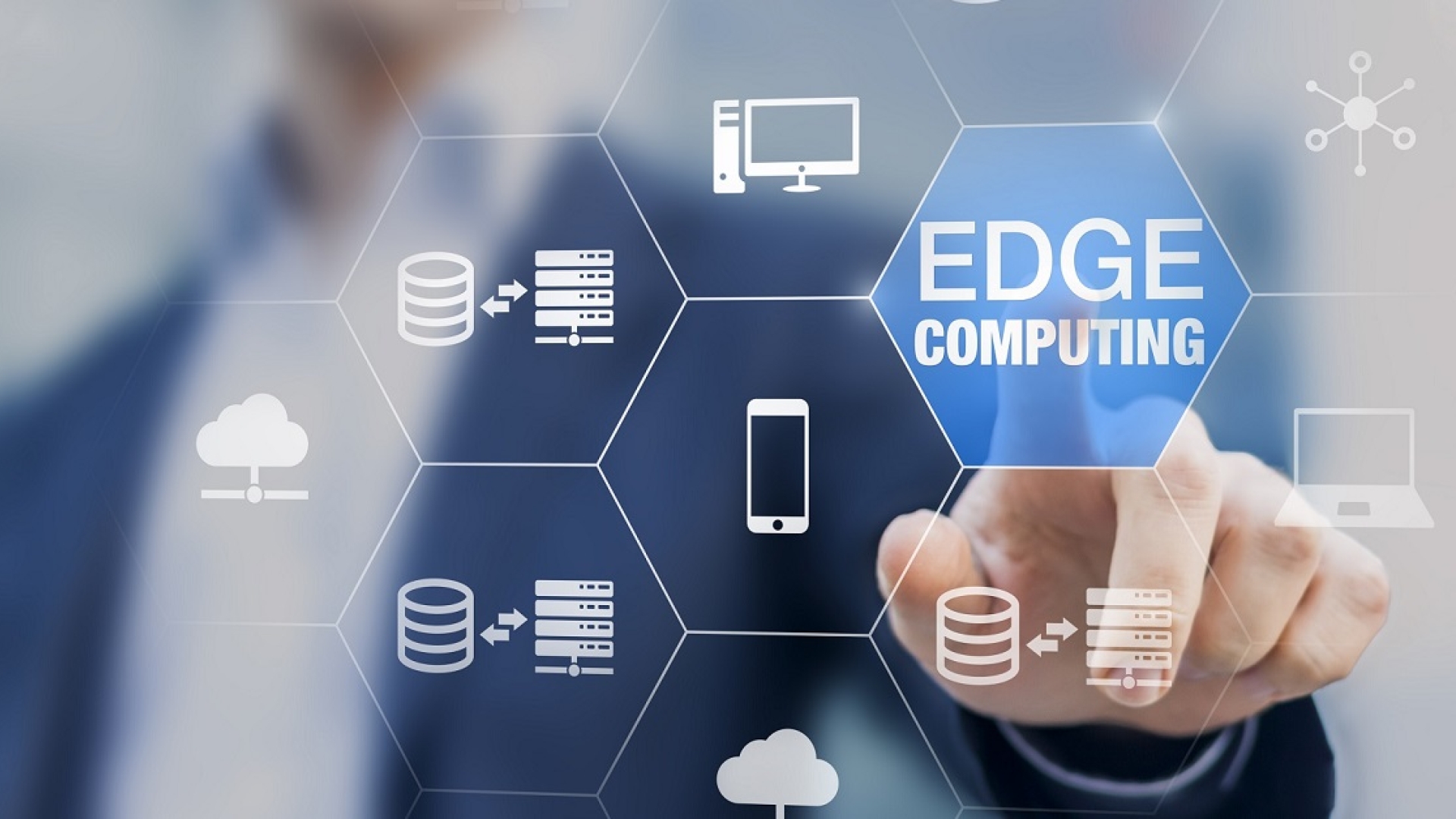
Artificial Intelligence, on the other hand, empowers systems to analyze patterns, make decisions, and automate processes without constant human intervention. When combined, these two technologies enable rapid insights, real-time decision-making, and more intelligent operations at the network’s edge.
Convergence matters
Real-time decision making
Businesses in industries such as manufacturing, retail, logistics, and healthcare rely on immediate insights. By integrating Edge Computing and AI, data is processed instantly, enabling organizations to react without delay. This capability reduces downtime, prevents errors, and supports mission-critical applications.

Customer experience
Modern customers expect seamless and personalized interactions. AI-driven algorithms deployed at the edge allow businesses to deliver tailored recommendations, improve response times, and create engaging experiences without depending solely on cloud resources.
Security & compliance
With rising concerns around data privacy, local processing provides an additional security layer. Sensitive information doesn’t always need to travel across networks, reducing exposure to cyber threats while maintaining compliance with regional regulations.

Operational efficiency
Edge-enabled AI applications minimize bandwidth usage and lower infrastructure costs by filtering and analyzing data locally. This efficiency translates into optimized supply chains, predictive maintenance, and streamlined workflows across various sectors.
Scalability & flexibility
Deploying AI models at the edge ensures scalability by distributing workloads efficiently, making it easier for enterprises to expand without overloading centralized systems.
Conclusion
The combined power of Edge Computing and AI is reshaping the business landscape. As industries become more connected, the businesses that embrace this convergence will be the ones leading innovation, creating value, and staying resilient in a competitive market.