

AI Retail Analytics Dashboards are advanced data visualization tools that use artificial intelligence to analyze retail data in real time. They consolidate information from multiple sources such as sales systems, customer interactions, inventory databases, and marketing channels into a single, easy-to-understand interface. Unlike traditional dashboards, AI solutions do more than display numbers. They identify patterns, predict trends, and recommend actions, helping businesses make informed decisions without manual analysis.
AI Retail Analytics Dashboards
Real-Time Decision Making
Retail environments change rapidly. AI dashboards provide instant insights into sales performance, stock levels, and customer demand, allowing businesses to respond immediately.

Enhanced Customer Understanding
By analyzing purchasing behavior, browsing patterns, and preferences, these dashboards help retailers personalize experiences and improve customer satisfaction.

Inventory Optimization
AI identifies demand patterns and forecasts future needs, reducing overstocking and preventing stockouts.
Improved Operational Efficiency
Automated insights eliminate manual reporting tasks, saving time and reducing human error.
Revenue Growth Opportunities
Predictive analytics highlights high-performing products, profitable segments, and emerging trends, enabling better strategic planning.

Key Features
Predictive Analytics
AI models forecast sales trends, customer demand, and seasonal fluctuations, helping retailers plan ahead with accuracy.

Data Integration
These dashboards unify data from POS systems, eCommerce platforms, CRM tools, and supply chain systems into one platform.

Visual Data Representation
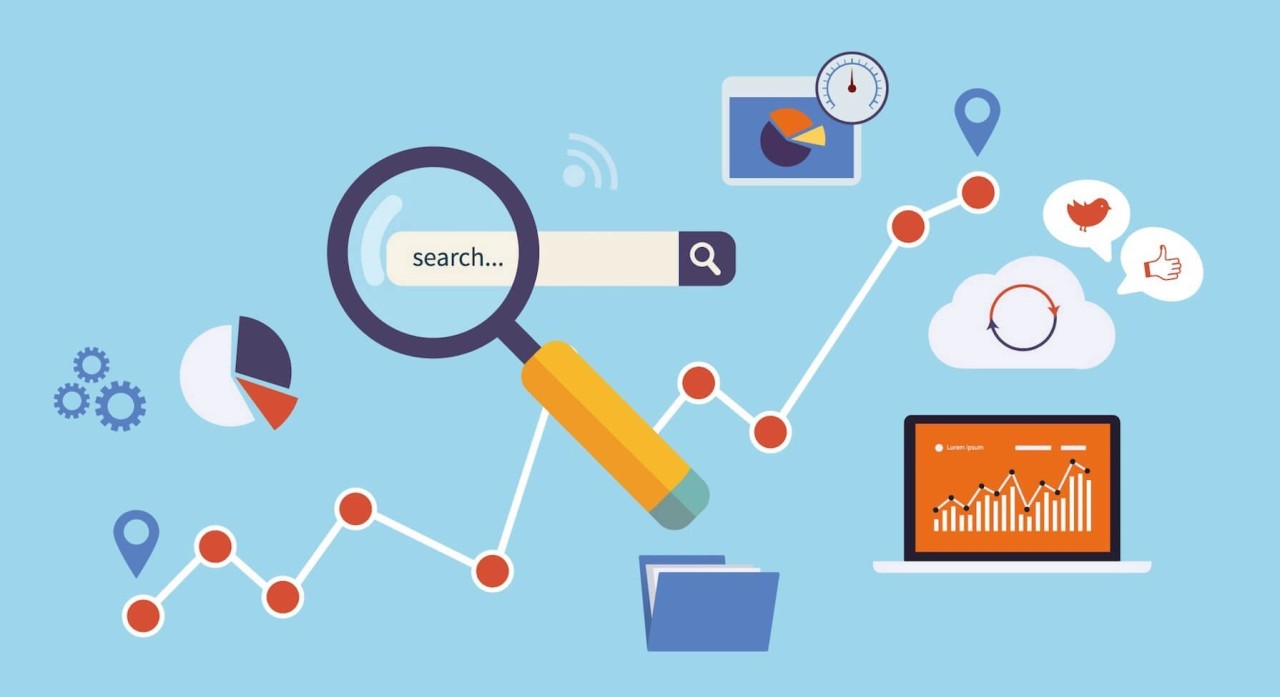
Charts, graphs, and heatmaps simplify complex data, making insights easier to interpret and act upon.
Automated Alerts
Retailers receive notifications about critical events such as low inventory, declining sales, or unusual customer activity.
Customer Segmentation
AI categorizes customers based on behavior, preferences, and purchase history, enabling targeted marketing strategies.
Performance Tracking
KPIs such as sales growth, conversion rates, and average order value are monitored continuously.
Benefits
Better Forecast Accuracy
AI improves demand predictions by analyzing historical and real-time data simultaneously.
Faster Reporting
Automated dashboards eliminate delays associated with manual report generation.
Data-Driven Strategy
Retailers can rely on facts instead of assumptions when making business decisions.
Competitive Advantage
Businesses leveraging AI insights can adapt faster and outperform competitors.
Scalability
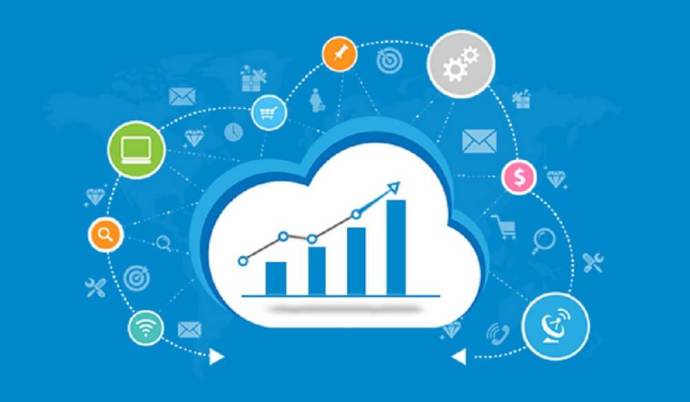
AI dashboards grow with the business, handling increasing data volumes efficiently.
Best Practices
- Focus on clear business objectives before implementation.
- Ensure data accuracy and consistency across systems.
- Customize dashboards based on user roles.
- Regularly update AI models for better predictions.
- Train teams to interpret insights effectively.
Conclusion
AI Retail Analytics Dashboards are transforming how retailers operate by delivering intelligent, real-time insights. They enable businesses to understand customers, optimize processes, and make data-driven decisions with confidence. Businesses that leverage these dashboards effectively will achieve improved efficiency, stronger customer engagement, and sustained growth.

[…] and customer interactions, the volume of data can become difficult to interpret manually. AI Retail Decision Support Systems help transform this information into practical insights, forecasts, […]