

Organizations are constantly seeking innovative ways to enhance productivity, improve workforce efficiency, and foster continuous learning. One of the most transformative advancements driving this change is AI in Employee Performance Analysis. Artificial Intelligence is not only reshaping how companies evaluate employee output but also revolutionizing how they nurture professional growth and skill development.
AI In Employee Performance Analysis
Understanding
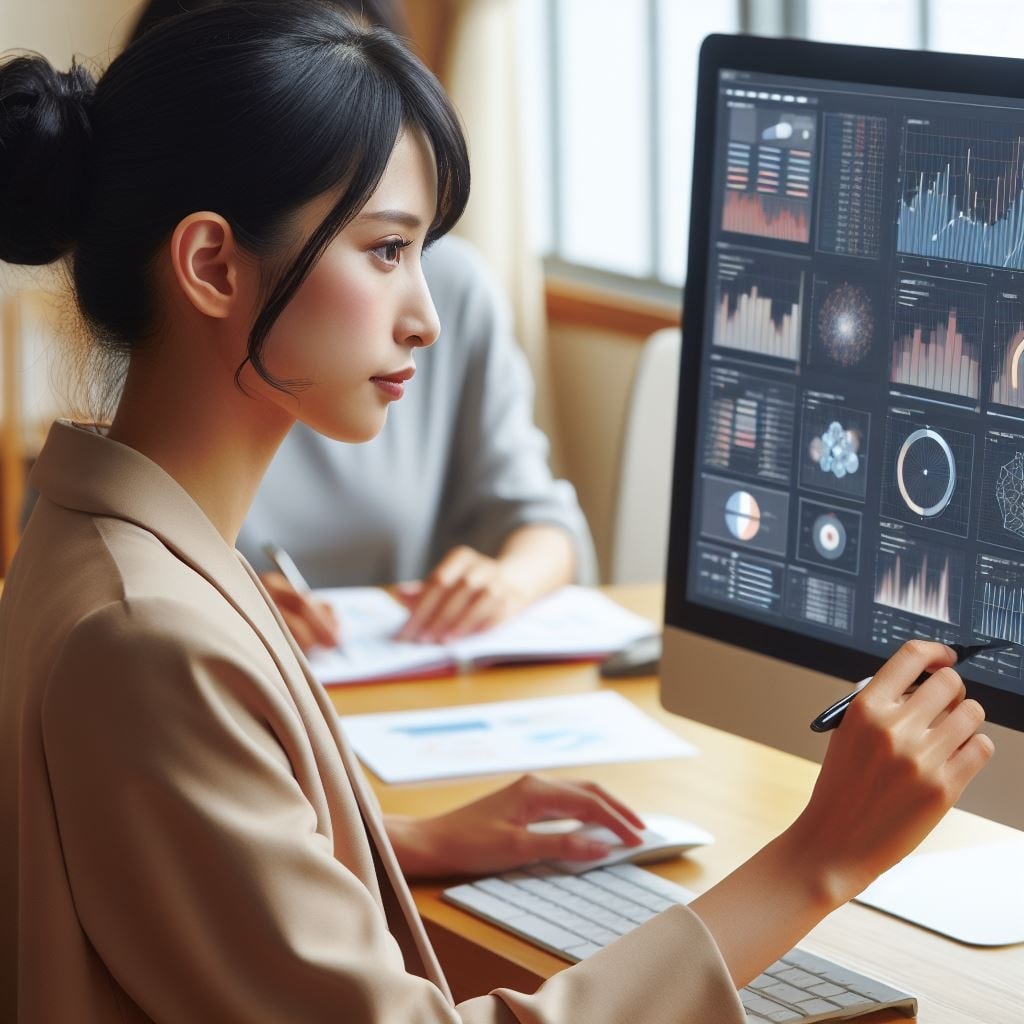
Artificial Intelligence provides organizations with the capability to analyze large volumes of workforce data with accuracy and speed. Traditional performance evaluations often rely on subjective judgments, which can lead to bias or inconsistency. By contrast, AI-driven systems collect and interpret objective data — such as task completion rates, collaboration metrics, communication frequency, and learning engagement — offering a clearer, evidence-based view of each employee’s performance.
Learning & skill development
AI is reshaping corporate learning by delivering personalized development plans tailored to individual strengths and weaknesses. Instead of generic training programs, AI tools evaluate each employee’s performance metrics and recommend relevant skill-building courses or micro-learning modules.

Predictive insights for workforce growth
Predictive analytics powered by AI enables organizations to anticipate future skill gaps. By analyzing current performance data and industry trends, AI can forecast the capabilities a company will require in the near future. Predictive modeling also assists in identifying high-potential employees early, giving companies an opportunity to prepare them for leadership roles through customized mentoring programs.
Employee engagement & motivation
AI-based performance analysis tools provide real-time feedback, helping employees understand their progress continuously rather than waiting for annual reviews. Timely recognition and constructive feedback increase engagement, foster accountability, and motivate individuals to perform at their best. AI can identify behavioral patterns indicating burnout or disengagement, enabling HR teams to intervene early and maintain a positive work environment.

Decision-making with data transparency
One of the most significant advantages of integrating AI in Employee Performance Analysis is data transparency. Decisions about rewards, promotions, or training are based on quantifiable metrics rather than assumptions. This transparency builds trust within the organization and encourages a culture of fairness and continuous improvement.

Conclusion
The integration of AI in Employee Performance Analysis is revolutionizing how organizations assess, develop, and empower their workforce. By providing actionable insights, fostering personalized learning, and driving fair decision-making, AI helps businesses build a more competent, motivated, and future-ready team.