
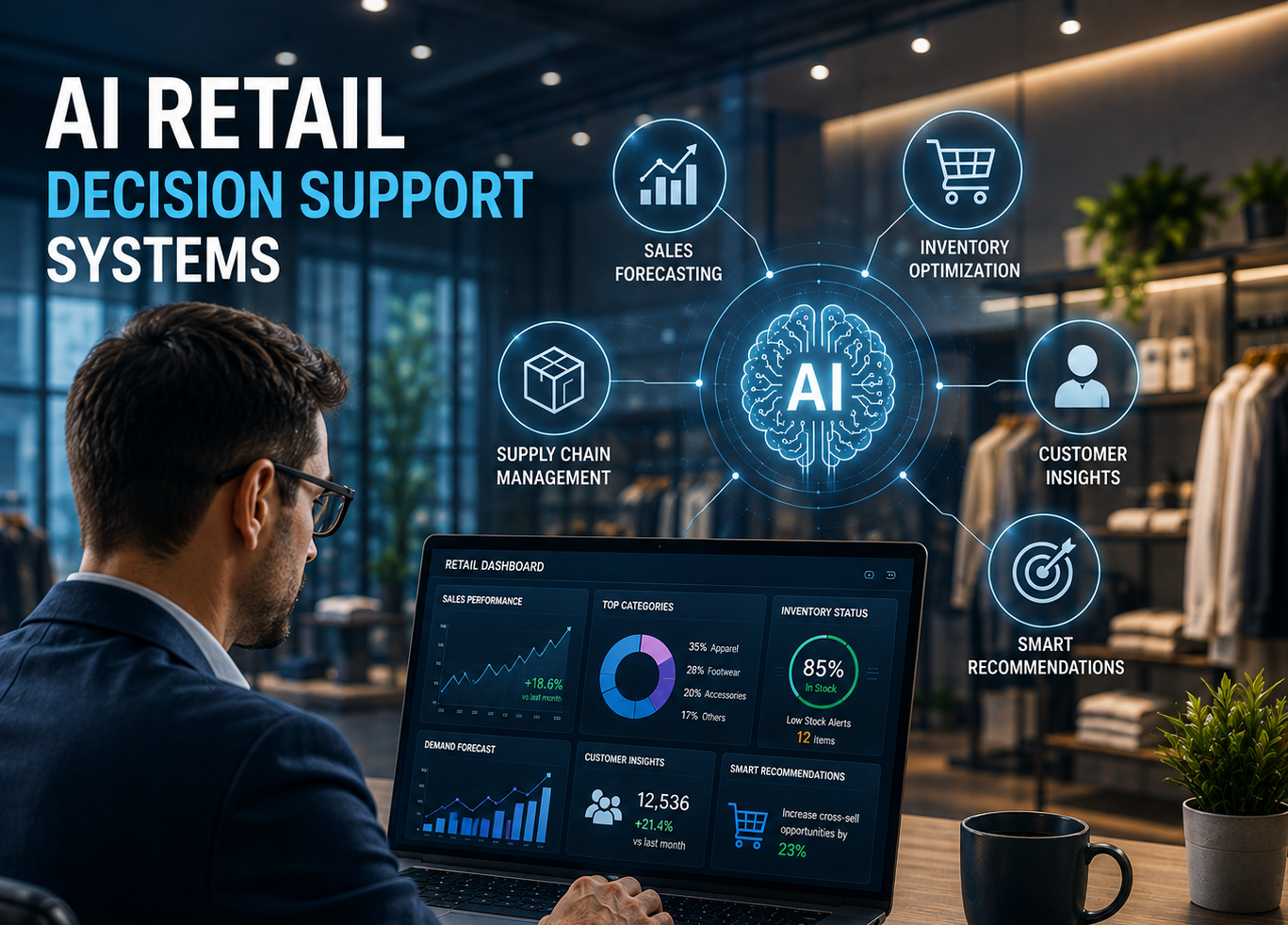
Retail businesses make important choices every day, from deciding how much inventory to order to determining which products deserve promotional attention. As retailers collect information from stores, websites, mobile applications, warehouses, suppliers, and customer interactions, the volume of data can become difficult to interpret manually. AI Retail Decision Support Systems help transform this information into practical insights, forecasts, alerts, and recommendations. Instead of relying only on historical reports or individual judgment, retail teams can use intelligent analysis to understand changing conditions and make decisions with stronger evidence.
Retail Decision Support Systems
How Does AI Improve Retail Decision-Making?
AI can support several stages of the decision process. Predictive models estimate what may happen next, classification methods can identify important customer or product groups, and optimization techniques can compare different actions under business constraints. Together, these capabilities can help retailers move from reactive reporting toward proactive planning. A useful system does not simply present more numbers; it organizes relevant information around specific decisions and explains which factors may require attention.
Inventory Management
Maintaining the right inventory level is a constant balancing act. Excess stock increases storage costs and ties up capital, while insufficient availability can lead to lost sales and disappointed shoppers. AI systems can compare current quantities with expected demand, supplier lead times, incoming shipments, and product movement. They can highlight items that may require replenishment, transfer, or closer monitoring. This creates a more proactive approach to stock control and helps planners focus on products where action is most important.

Demand Forecasting
Demand forecasting is one of the most valuable applications of AI in retail. Models can examine sales history, seasonal cycles, promotional activity, product launches, customer behavior, and other signals to estimate future demand. These forecasts can guide purchasing, inventory allocation, staffing, warehouse preparation, and transportation planning. As fresh information becomes available, predictions can be updated to reflect current conditions. This can help businesses react sooner when customer interest rises or falls unexpectedly.
Pricing And Promotion Decisions
Pricing decisions require more than knowing the current selling price. Retailers must consider demand sensitivity, competitor activity, product life cycles, inventory pressure, customer behavior, and profitability. AI can examine previous responses to price changes and promotions to estimate likely outcomes under different scenarios. Decision-support tools can then present these findings alongside business rules and margin requirements. This gives pricing teams useful evidence while preserving human judgment over the final strategy.

Store Operations And Workforce Planning
Physical retail locations need to coordinate staffing, replenishment, customer service, product presentation, and daily workloads. AI can analyze transaction volumes, foot traffic, seasonal patterns, and historical staffing requirements to estimate future operational needs. Managers can use these insights to create schedules that better match expected demand. Similar analysis can help identify periods when shelves, checkout areas, or fulfillment activities may require additional attention.
Supply Chain And Supplier Management
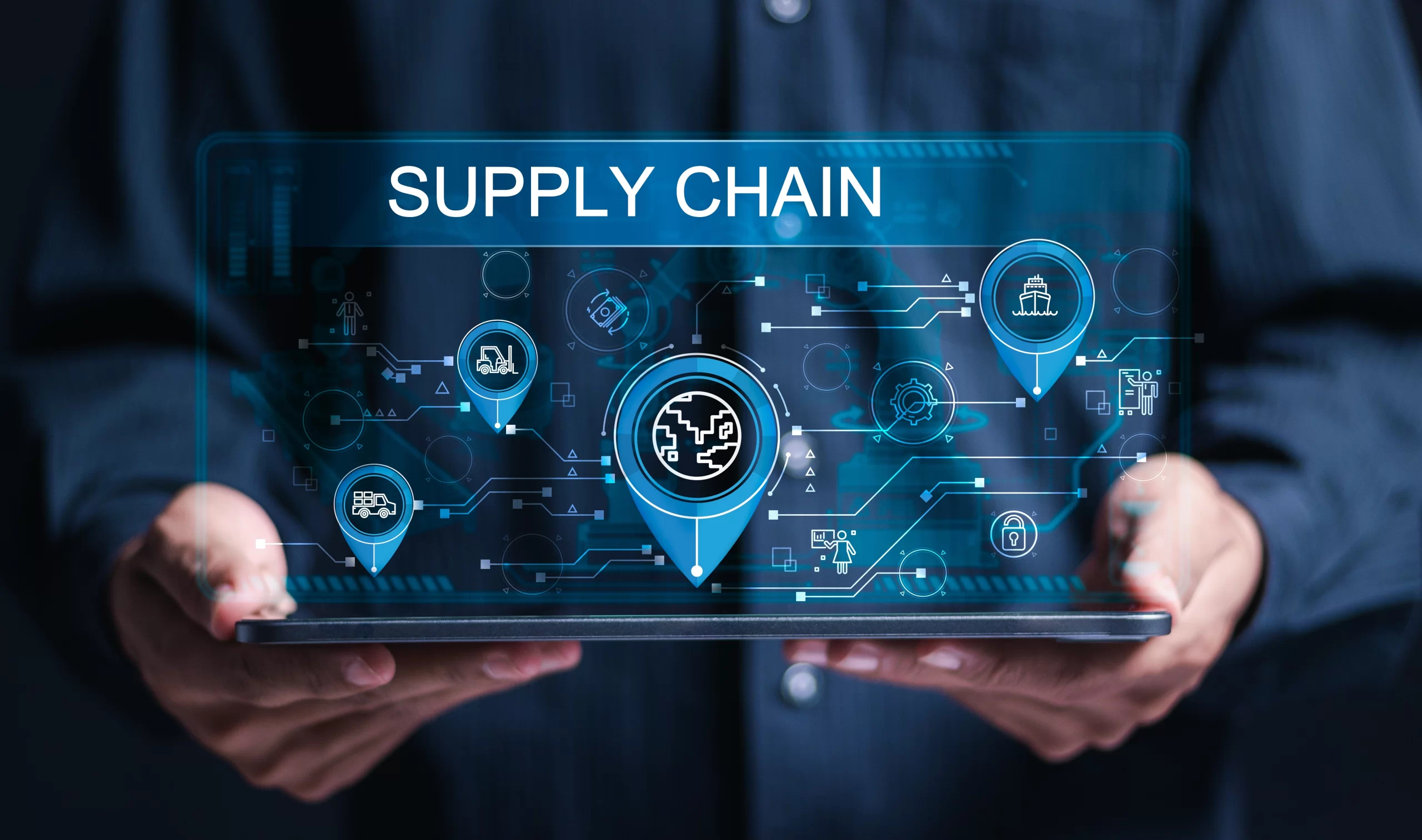
Reliable product availability depends on suppliers, transportation partners, warehouses, and procurement teams working together. AI decision support can examine supplier lead times, delivery performance, order history, inventory requirements, and transportation information. When patterns suggest a potential delay or supply risk, teams can receive earlier warnings and consider alternatives. This additional planning time can reduce the impact of disruptions and support more resilient supply chain operations.
Scenario Analysis And What-If Planning
Retail decisions often involve trade-offs, which makes scenario planning valuable. AI can help managers compare possible actions and estimate how each option could affect sales, inventory, cost, service levels, or customer experience. A planner might evaluate the effect of ordering additional stock, changing a promotion, adjusting a delivery schedule, or reallocating products between locations. What-if analysis creates a structured way to consider alternatives before resources are committed.
Real-Time Retail Decision Support
Retail conditions can shift within hours. A product can suddenly become popular, a delivery can be delayed, or online traffic can rise beyond expectations. Real-time decision support allows AI systems to incorporate current operational signals rather than depending entirely on older reports. Alerts can draw attention to significant changes while they are still actionable. This is particularly useful for businesses managing large order volumes, fast-moving products, or multiple sales channels.
Data Quality And Governance
Reliable recommendations depend on reliable data. Retailers should maintain accurate product information, transaction records, customer details, inventory counts, supplier records, and promotional histories. Governance policies should also define access, security, privacy, and review procedures. Consistent data practices make model outputs more dependable and help teams understand the information behind a recommendation. Ongoing data-quality checks are important because errors can spread quickly when automated systems rely on incorrect inputs.
Data Integration
An intelligent decision-support platform needs access to dependable information. Useful sources can include point-of-sale transactions, e-commerce activity, warehouse records, inventory platforms, supplier systems, customer interactions, marketing campaigns, and transportation data. Connecting these sources can reveal relationships that remain hidden when information is isolated in separate applications. Strong integration also gives decision-makers a more consistent picture of current business conditions.

Conclusion
AI Retail Decision Support Systems can help businesses make faster and better-informed choices across inventory, pricing, promotions, customers, stores, and supply chains. Their value comes from turning complex information into practical insight while keeping experienced professionals involved in important decisions. Successful adoption depends on accurate data, clear objectives, thoughtful implementation, and continuous measurement. When intelligent technology and human expertise work together, retailers can respond more effectively to changing demand, reduce avoidable inefficiencies, and build stronger decision-making processes.