

Retail Vendor Management has become a critical driver of profitability, supply stability, and brand reputation. Retailers no longer rely on spreadsheets or manual coordination to manage supplier relationships. Artificial Intelligence is reshaping how organizations evaluate partners, monitor performance, and optimize procurement strategies. By integrating intelligent systems into vendor processes, businesses gain predictive insights, real-time analytics, and automated decision-making capabilities.
Retail Vendor Management
Coordinating contracts, monitoring compliance, tracking delivery timelines, and evaluating quality can quickly become complex. Without structured oversight, inefficiencies lead to stock shortages, excess inventory, delayed shipments, and reduced margins.
-
Transparent supplier performance tracking.
-
Timely procurement cycles.
-
Risk mitigation across sourcing channels.
-
Stronger negotiation leverage.
-
Improved inventory accuracy.
How AI Transforms Retail Vendor Management?
Intelligent Vendor Selection
AI-powered tools analyze historical data, financial records, delivery history, and quality metrics. Instead of relying on intuition, retailers can use machine learning models to identify high-performing suppliers with lower risk profiles.
Predictive Demand Forecasting
AI algorithms evaluate sales patterns, trends, & consumer behavior. By forecasting demand accurately, retailers can collaborate with vendors more effectively. Accurate projections help prevent stockouts and overstock situations, improving cash flow while maintaining customer satisfaction.
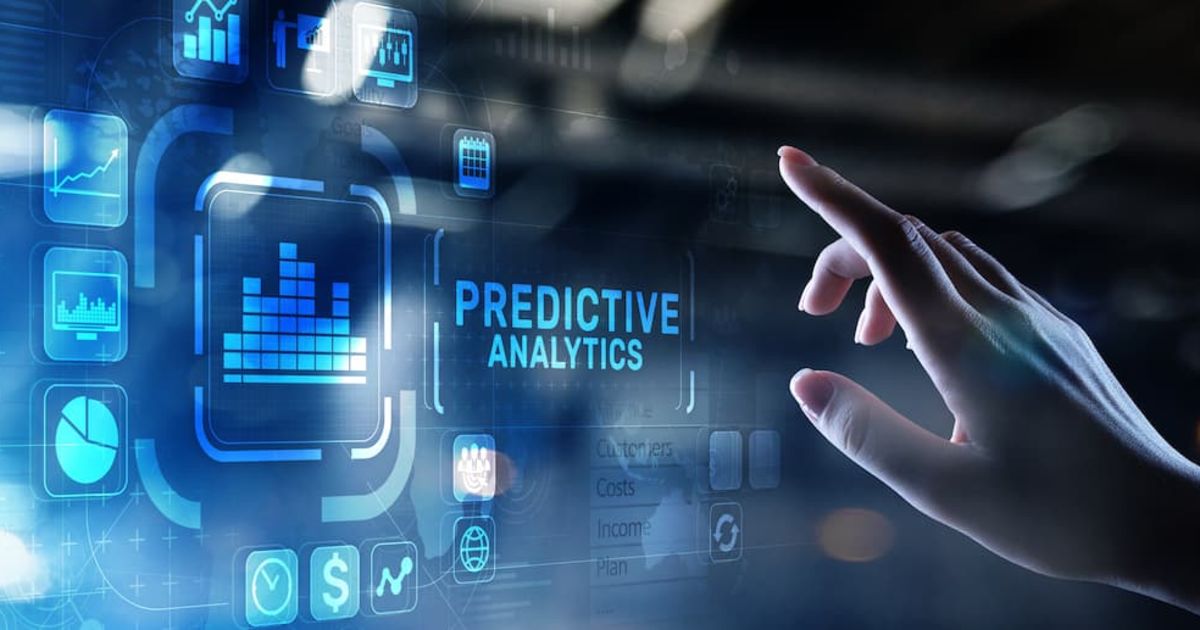
Automated Performance Monitoring
AI dashboards provide real-time visibility into delivery timelines, defect rates, compliance standards, and pricing consistency. Retailers can instantly detect underperformance and address issues before they escalate.
Risk Detection and Mitigation
Supply disruptions can occur due to geopolitical instability, natural disasters, or financial insolvency. AI systems continuously scan market data, news signals, and economic indicators to flag potential risks. Proactive alerts allow retailers to diversify suppliers and maintain operational continuity.

Smart Contract Management
AI contract analysis tools review terms, renewal dates, pricing clauses, and penalty conditions. Automated reminders and compliance checks reduce legal exposure and strengthen accountability.
Benefits
Enhanced Decision Accuracy
Data-backed insights eliminate guesswork. Leadership teams gain clarity when choosing partners or renegotiating agreements.

Operational Efficiency
Automation reduces administrative workload. Procurement teams can focus on strategic planning instead of repetitive documentation tasks.
Cost Optimization
AI identifies pricing discrepancies, inefficiencies, and opportunities for bulk negotiations. This improves profit margins without compromising quality.

Improved Collaboration
Shared digital platforms enable better communication between retailers and vendors. Transparent metrics foster trust and accountability.
Scalability
As retail networks expand, AI systems handle increasing data complexity without additional manual resources.

Key Technologies
-
Machine Learning for predictive analysis.
-
Natural Language Processing for contract evaluation.
-
Robotic Process Automation for workflow automation.
-
Advanced Analytics for supplier benchmarking.
-
Cloud Computing for centralized data access.
Implementation Strategy
-
Audit current vendor management workflows.
-
Identify data gaps and integration challenges.
-
Select scalable AI platforms aligned with business goals.
-
Train procurement teams on data interpretation.
-
Monitor system performance and refine models continuously.
Conclusion
Through predictive insights, automated monitoring, and risk detection capabilities, Artificial Intelligence elevates Retail Vendor Management into a strategic growth engine. Organizations that integrate intelligent solutions into their procurement processes achieve better transparency, stronger supplier partnerships, and improved financial performance. As retail continues to evolve, AI vendor ecosystems will become the foundation of sustainable competitive advantage.