

Retail businesses manage purchasing, inventory, stores, warehouses, e-commerce, customer service, and logistics at the same time. As operations expand, manual processes, disconnected systems, repetitive work, and delayed decisions can increase costs and reduce productivity. Artificial intelligence helps retailers address these challenges by analyzing operational data, automating suitable tasks, identifying inefficiencies, and supporting faster decisions. By using AI to improve Retail Operational Efficiency, businesses can streamline daily activities, use resources more effectively, and respond more quickly to changing customer and market demands.
Retail Operational Efficiency
Retailers Need Better Operational Efficiency
Retailers face continuous pressure to control expenses while delivering fast, convenient, and reliable customer experiences. Small process problems can become expensive when they occur across many stores, products, orders, and locations. Delayed replenishment, inefficient staffing, repeated data entry, inaccurate records, and slow order handling can reduce productivity without creating additional customer value. Improving efficiency enables retailers to make better use of existing resources, reduce waste, and maintain service standards as the business grows.

How AI Improves Retail Operations?
AI can examine large volumes of information from sales platforms, inventory systems, warehouses, stores, customer service applications, workforce tools, and logistics networks. Intelligent models can identify patterns, detect unusual activity, predict future conditions, and recommend suitable actions. This gives retail teams a clearer understanding of where time, money, and resources are being used. Instead of relying entirely on manual reviews, businesses can use AI-supported insights to improve processes and make operational decisions with greater speed and consistency.
Automating Repetitive Tasks
Retail operations contain many routine activities, including data entry, report preparation, order updates, invoice processing, stock reconciliation, and basic customer queries. AI-powered automation can handle suitable repetitive work with greater consistency, allowing employees to focus on responsibilities that require judgment, communication, and problem-solving. Reducing administrative workload can improve productivity, shorten processing times, and lower the risk of errors caused by repetitive manual activity.
Improving Inventory Operations
Inventory performance has a direct effect on operational efficiency because both shortages and excess stock create additional costs. AI can analyze sales velocity, stock levels, product movement, supplier lead times, and historical demand to support better replenishment and allocation decisions. Intelligent systems can identify slow-moving products, highlight items approaching shortage levels, and provide timely recommendations. This helps retailers maintain healthier stock positions while reducing the effort required for constant manual monitoring.
Optimizing Workforce Management
Employee scheduling becomes more difficult when customer traffic changes by location, time, season, and promotional activity. AI can analyze historical sales, footfall patterns, operating hours, and expected demand to help managers determine suitable staffing levels. Better scheduling can reduce unnecessary labor costs during quieter periods and improve coverage during busy times. It can also help managers spend less time preparing schedules and more time supporting store performance.
Strengthening Supply Chain Coordination
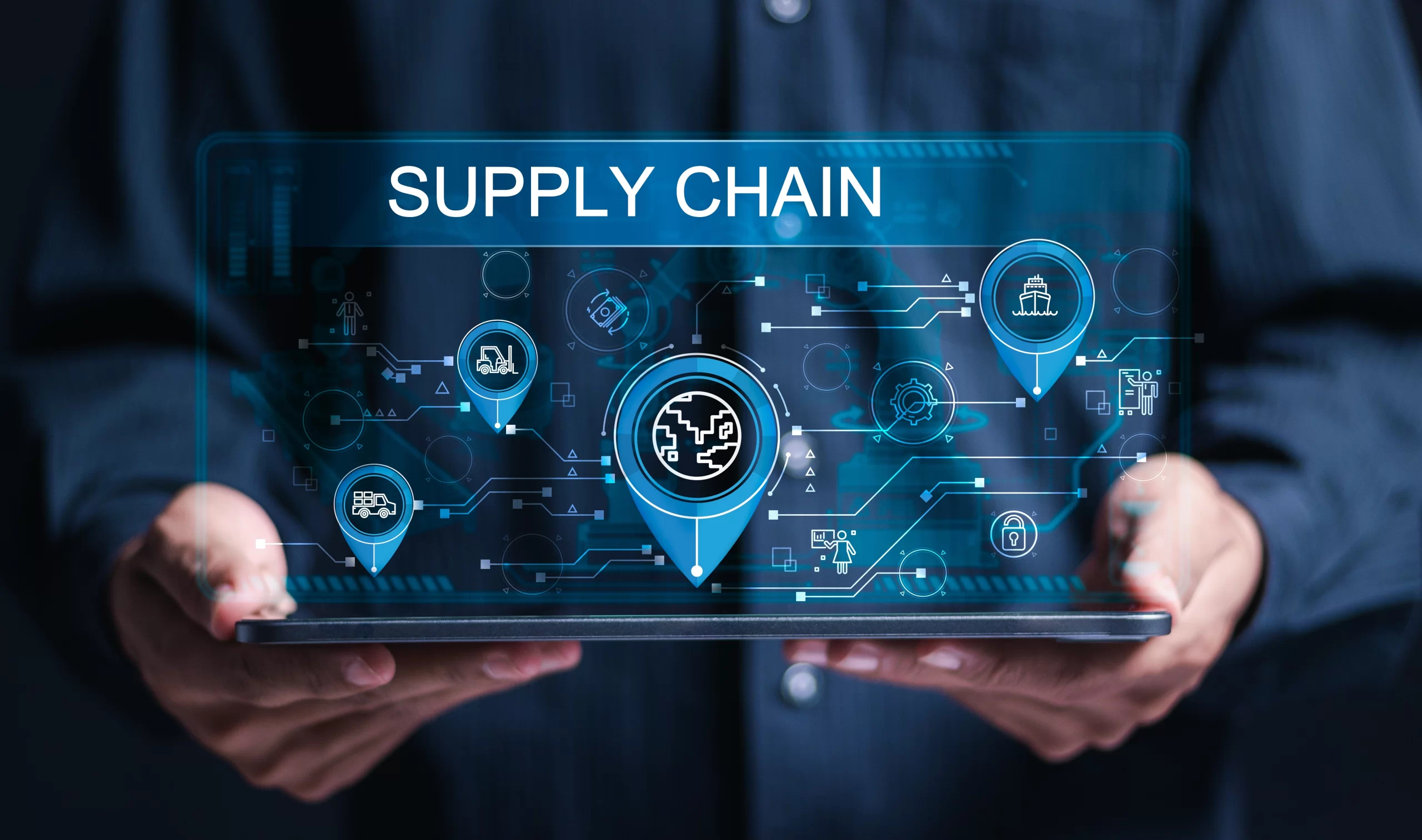
Retail efficiency depends on effective coordination between suppliers, distribution centers, warehouses, stores, and customers. AI can analyze shipment information, supplier performance, inventory requirements, transportation activity, and demand signals to support stronger planning. Retailers can identify potential delays, adjust purchasing decisions, and coordinate merchandise movement more effectively. Better supply chain intelligence can reduce waiting time, improve product flow, and support more reliable fulfillment.

Predictive Analytics
AI enables retailers to move from reactive problem-solving toward predictive decision-making. Instead of waiting for a shortage, delivery delay, staffing issue, or demand change to become obvious, predictive models can identify early signals and provide timely warnings. Retailers can use these insights for inventory planning, workforce management, maintenance, logistics, sales forecasting, and customer demand analysis. Early awareness gives teams more time to respond and can prevent minor issues from becoming costly operational problems.
Role
An experienced AI development company can help retailers design and implement intelligent solutions that fit their existing technology and business requirements. A technology partner can connect enterprise resource planning systems, point-of-sale platforms, warehouse applications, e-commerce systems, workforce tools, and customer service platforms. It can also develop customized automation workflows, predictive models, dashboards, and intelligent alerts. This approach allows retailers to introduce AI into priority areas while maintaining compatibility with their current operational environment.
AI Driven Efficiency
Retailers should evaluate AI initiatives through measurable operational outcomes rather than relying only on technology usage. Useful indicators include processing time, labor utilization, inventory accuracy, order fulfillment speed, operating expenses, error frequency, customer satisfaction, and employee productivity. Comparing these measures before and after implementation can show whether the solution is creating meaningful value. Regular reviews also help businesses identify processes that need additional automation, better data, or model refinement.
Challenges Retailers Should Consider
AI adoption can involve challenges related to data quality, system integration, cybersecurity, employee acceptance, investment, and technical expertise. Older retail platforms may require additional work before they can exchange information with modern AI applications, while fragmented records can affect analytical accuracy. Retailers should establish clear data standards, appropriate security controls, and practical employee training before expanding intelligent systems. Human oversight should also remain part of important decisions where business context cannot be fully represented by historical data.
Future
The future of Retail Operational Efficiency will increasingly involve connected systems that can understand operational conditions and support decisions in near real time. AI can bring together information from stores, warehouses, digital channels, suppliers, employees, customers, and logistics networks to create a broader view of business performance. As intelligent platforms become more capable, retailers can automate routine decisions, identify emerging issues earlier, and recommend actions that improve resource utilization. This evolution can help businesses build operations that are more responsive, measurable, and adaptable.
Conclusion
AI offers retailers a practical way to improve operational performance without relying solely on additional manual effort or resources. By automating repetitive activities, strengthening inventory management, optimizing staffing, improving fulfillment, reducing errors, and supporting predictive decisions, businesses can create more efficient workflows and deliver stronger customer experiences. Working with an experienced AI development company can help retailers develop solutions that align with their systems, goals, and operational priorities. A well-planned approach to Retail Operational Efficiency can reduce waste, improve productivity, and provide a stronger foundation for sustainable retail growth.