
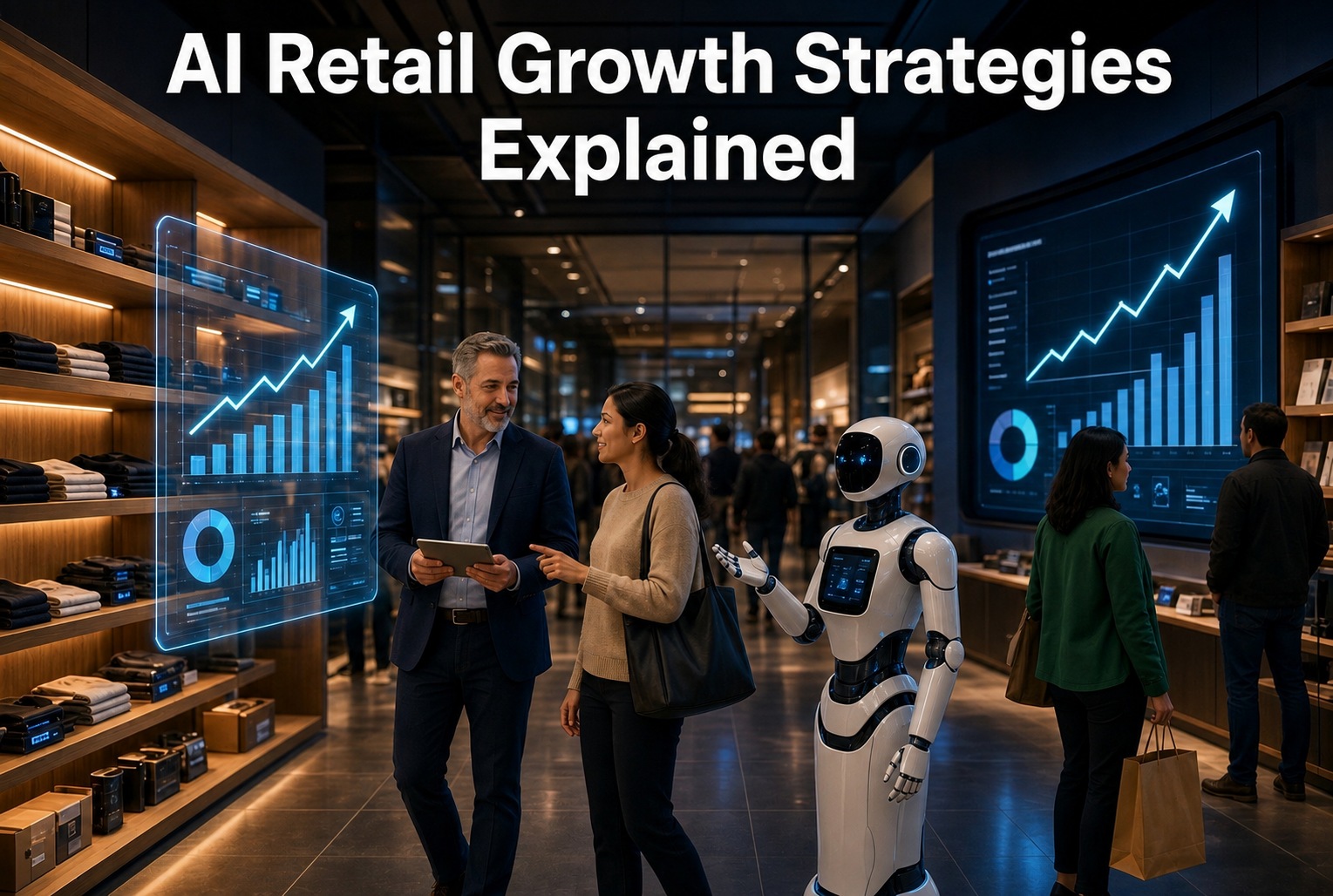
Customers move between websites, mobile apps, social platforms, marketplaces, and physical locations, creating a complex path from discovery to purchase and loyalty. At the same time, retailers must manage changing demand, tighter margins, inventory pressure, rising service expectations, and intense competition. Artificial intelligence can help businesses respond to these challenges by turning large volumes of commercial information into useful predictions and practical recommendations. The most effective AI Retail Growth Strategies do not replace retail expertise. They give teams better visibility, faster analysis, and stronger decision support so leaders can identify opportunities, respond to customer needs, and build sustainable commercial momentum.
Retail Growth Strategies
AI Customer Personalization
Customers respond more positively when retailers present products, offers, and content that match their interests. AI can analyze browsing activity, purchase history, category preferences, order frequency, location, and engagement patterns to create more relevant experiences. A recommendation engine might highlight complementary products, while another model could identify the most suitable message for a particular shopper. Personalization can extend across websites, email, mobile experiences, loyalty programs, and customer service. Retailers should keep relevance at the center of this approach because excessive targeting can feel intrusive. When businesses use appropriate data responsibly, personalization can improve discovery, increase engagement, and support stronger relationships.
Predictive Demand Planning
Growth becomes difficult when retailers cannot match supply with customer demand. Excess inventory can tie up capital and increase markdown pressure, while insufficient stock can result in missed sales and disappointed shoppers. Machine learning can forecast demand by studying historical purchases alongside seasonality, promotions, product characteristics, regional behavior, holidays, and other relevant signals. Retail teams can use these estimates to guide purchasing, replenishment, staffing, and distribution decisions. Predictive planning can also help businesses prepare for several demand scenarios instead of relying on a single fixed estimate. This makes growth planning more resilient when market conditions shift unexpectedly.
Smarter Pricing Decisions
AI can evaluate how shoppers respond to different price points while considering inventory levels, product lifecycle, seasonality, category behavior, and competitive conditions. Retailers can use these insights to identify situations where a price adjustment may stimulate demand or protect profitability. Intelligent pricing does not mean changing prices constantly. A thoughtful approach considers customer trust, brand positioning, legal requirements, and commercial objectives. When retailers combine predictive analysis with clear pricing principles, they can make decisions that balance sales opportunities with healthy margins.

AI Product Discovery
Product discovery can influence whether shoppers find something useful or leave without purchasing. AI can improve search, recommendations, category navigation, and merchandising by interpreting customer intent rather than relying only on exact keywords. A shopper searching for a general need may receive products based on context, previous interactions, availability, and relevance. Retailers can strengthen this experience by combining intelligent discovery with accurate product information and dependable inventory data.
Inventory Intelligence For Expansion
Retail growth often requires businesses to decide where products should sit, how much stock each location needs, and which items deserve additional investment. A retailer may discover that a product performs strongly in one region but needs a different assortment or stock level elsewhere. Intelligent allocation can help move inventory toward locations with stronger demand while reducing exposure to slow-moving units.
AI For Omnichannel Retail Growth
Customers increasingly move between physical stores, ecommerce sites, mobile applications, marketplaces, and social channels. AI can help connect these experiences by linking behavioral signals and operational information across touchpoints. A shopper might discover a product online, check local availability, visit a store, and complete the purchase through another channel. A connected AI system can help retailers understand this journey and coordinate recommendations, inventory information, promotions, and service. Omnichannel intelligence can also reveal where customers encounter friction. Removing those gaps can increase convenience while giving retailers a clearer view of how different channels contribute to growth.
Marketing Optimization With AI
Marketing teams often manage campaigns across search, social media, email, marketplaces, websites, and loyalty channels. AI can help identify which audiences are more likely to respond, which messages create engagement, and which channels contribute to meaningful commercial outcomes. Predictive models can support budget allocation by estimating the potential value of different campaigns or customer groups. Generative tools can also assist with content variations, although human review remains important for brand accuracy and tone. Better targeting can reduce wasted spend and help marketers concentrate resources on activities that have stronger potential to generate profitable customer action.

Store Performance Optimization
AI can analyze sales patterns, foot traffic, inventory movement, transaction timing, and category performance to identify opportunities for improvement. Managers may use these insights to adjust staffing, product placement, replenishment, or local promotions. Location-specific analysis also helps retailers avoid applying identical decisions to stores with very different customer profiles. When teams understand what drives performance at the individual-store level, they can reproduce successful practices in suitable locations and address weak areas more precisely.
Supply Chain Agility And Growth
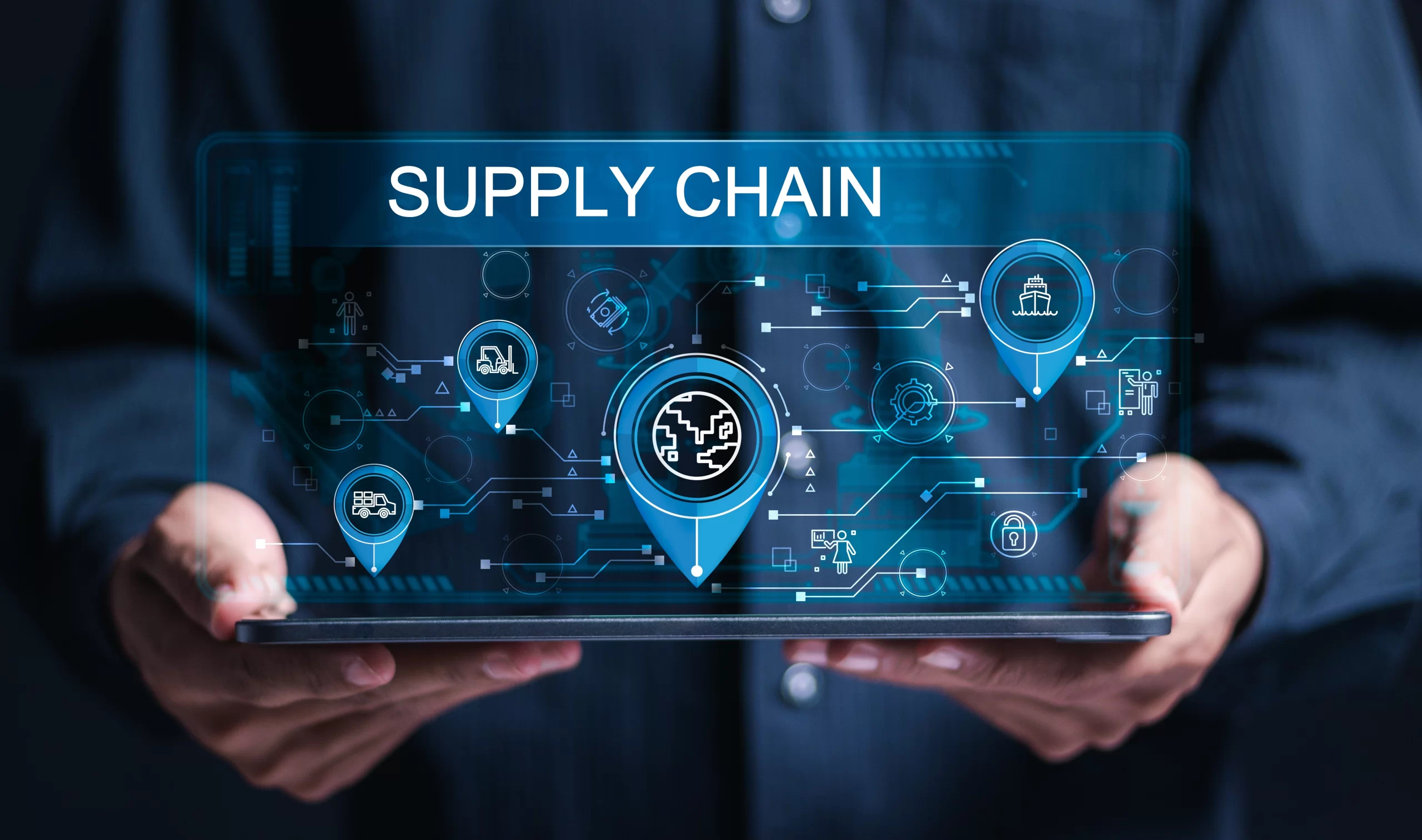
Growth can place pressure on procurement, warehousing, transportation, and fulfillment networks. AI can help retailers anticipate demand changes, estimate supply requirements, identify potential delays, and evaluate alternative routes or sourcing choices. Predictive monitoring can highlight unusual lead times or capacity constraints before they disrupt customers. Better planning allows operations teams to prepare for expansion without creating unnecessary inventory or service risk. A flexible supply chain gives commercial leaders more confidence when they launch products, enter new markets, or increase promotional activity because the operational network can adapt alongside demand.
Using AI To Improve Retail Profitability
Revenue growth alone does not guarantee stronger business performance. Retailers must also consider gross margin, marketing costs, inventory investment, fulfillment expenses, returns, and customer acquisition. AI can connect these factors and help teams understand the financial impact of different choices. A recommendation system can consider margin and stock availability alongside customer relevance. A promotion model can estimate incremental profit instead of focusing only on sales volume. A demand forecast can help reduce both lost sales and excess stock. This broader perspective ensures that AI Retail Growth Strategies support sustainable commercial value rather than growth that creates hidden costs.
Building A Reliable AI Foundation
Successful AI adoption depends on more than choosing a sophisticated model. Product identifiers should remain consistent across systems, inventory records should stay current, and customer data should receive appropriate protection. Businesses should also establish clear ownership for model monitoring and business decisions. Starting with a focused use case can reduce complexity and make value easier to measure. Once a solution proves useful, retailers can expand it across additional categories, channels, and markets.
Conclusion
AI can give retailers a stronger foundation for growth by helping teams understand customers, predict demand, improve pricing, personalize experiences, strengthen inventory decisions, optimize marketing, and respond to operational change. The most effective approach does not treat artificial intelligence as a shortcut to instant revenue. Instead, it uses intelligent analysis to improve the quality and timing of decisions across the retail journey. AI Retail Growth Strategies work best when businesses combine reliable data, measurable objectives, human expertise, responsible governance, and continuous evaluation. With that foundation, retailers can turn complex information into practical action and create growth that remains valuable for customers and sustainable for the business