
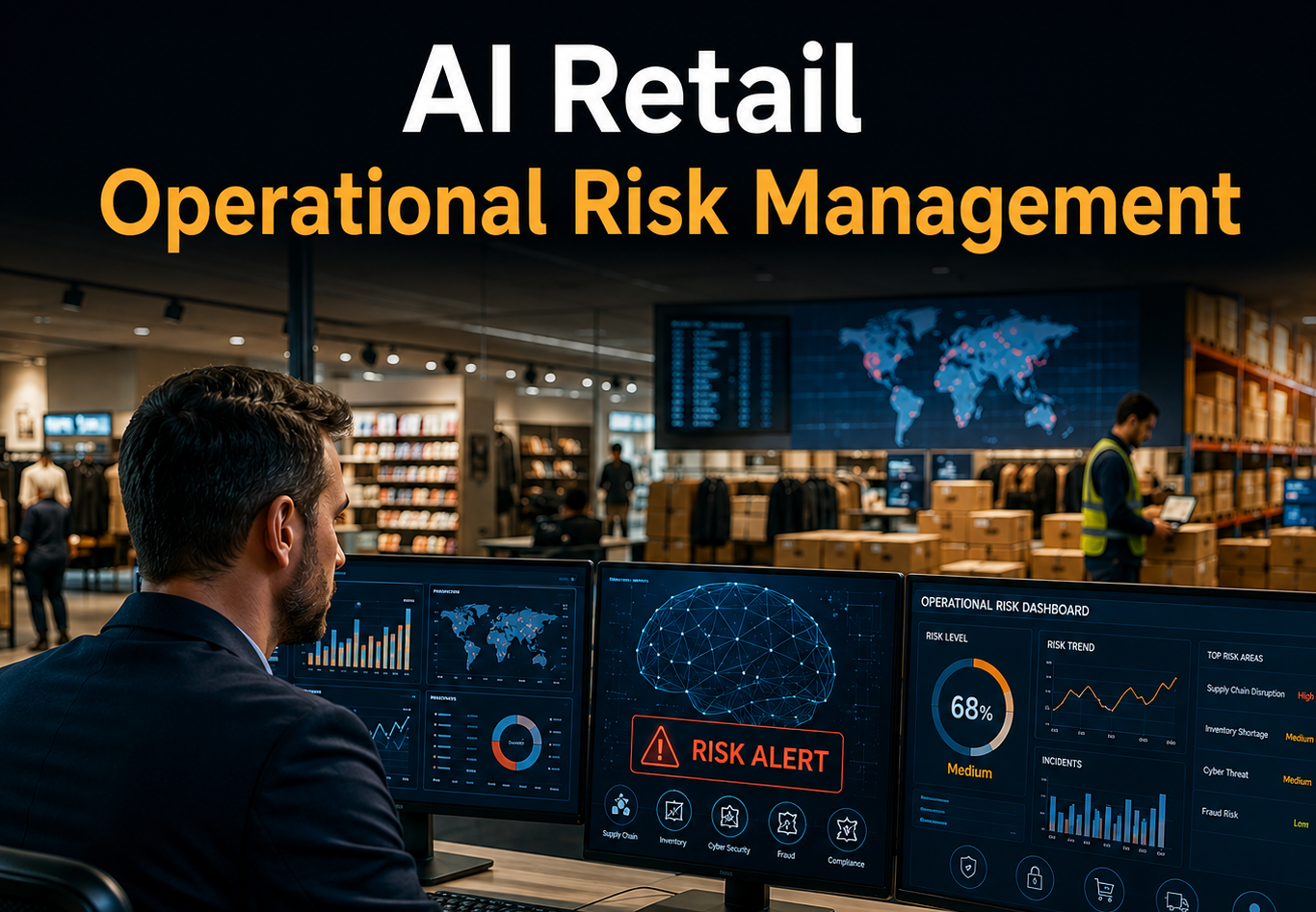
Retail operations depend on a connected network of stores, warehouses, suppliers, payment systems, digital channels, employees, logistics providers, and technology platforms. Retailers therefore need a structured approach to identifying threats before they become costly incidents. Artificial intelligence can strengthen Retail Operational Risk Management by analyzing large volumes of operational information, detecting unusual patterns, forecasting potential disruptions, and helping teams prioritize preventive action. The goal is not to remove every uncertainty. Instead, it is to give decision-makers clearer signals, faster alerts, and stronger evidence for managing operational exposure.
Retail Operational Risk Management
How AI Changes Risk Management?
AI Anomaly Detection
Anomaly detection can identify activity that differs from established patterns. Machine learning models can learn normal patterns and flag deviations for review. A useful system should distinguish between an unusual event and a confirmed problem. Seasonal promotions, holidays, product launches, and regional events can naturally create large changes. Context-aware models reduce unnecessary alerts and help teams concentrate on signals that genuinely warrant investigation.
Supply Chain Disruption Management
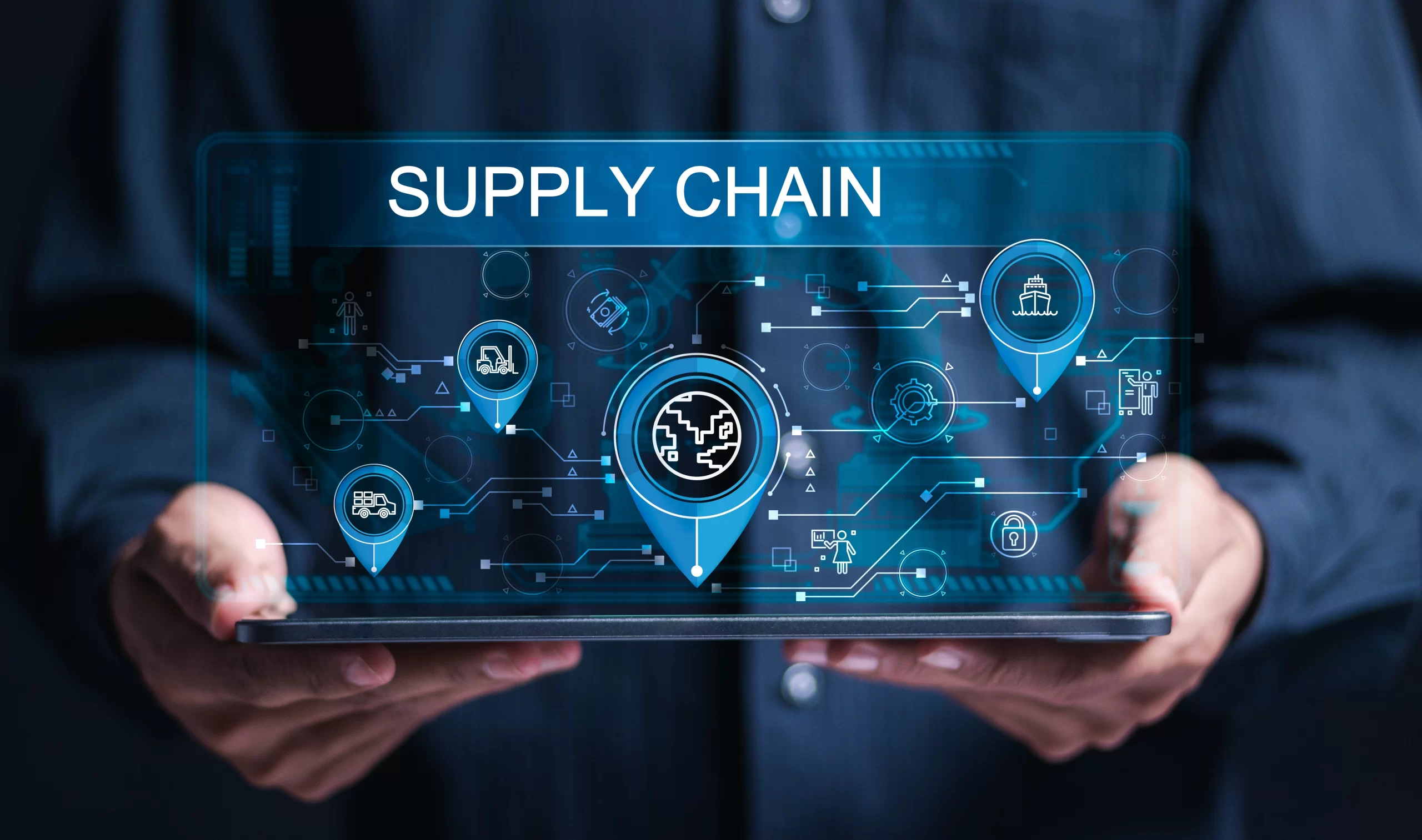
AI can combine internal operational information with relevant external signals to estimate potential effects. Scenario models can help retailers compare possible responses, such as changing replenishment priorities, adjusting allocations, or identifying alternative sources. The value comes from improving preparedness rather than predicting every event perfectly. A warning without a defined response process may create awareness without improving resilience.
Inventory And Stock Risk
AI can compare sales velocity, stock records, replenishment activity, transfers, returns, warehouse movements, and demand forecasts to identify potential problems. A system may highlight locations where recorded quantities differ from expected patterns or products likely to face availability pressure. Early warnings allow teams to investigate discrepancies, adjust replenishment, or redirect stock before customer impact grows. Retailers should also distinguish between physical stock, reserved units, damaged goods, and available inventory so risk models use the correct business definitions.
Cybersecurity And Technology Risk
Digital retail operations depend on websites, mobile applications, cloud platforms, payment infrastructure, APIs, employee systems, and connected devices. AI can monitor technical activity for unusual patterns that may indicate security incidents or system weaknesses. Models can also help identify abnormal login behavior, unexpected network activity, or changes in application performance. Security analytics should operate alongside established controls such as access management, encryption, patching, monitoring, and incident response. AI is most effective as an additional detection capability rather than a replacement for foundational security practices.
Workforce And Store Operations Risk
AI can analyze staffing patterns, workload, foot traffic, task completion, incident records, and operational schedules to identify pressure points. A retailer might discover that certain combinations of high customer volume and limited staffing increase service delays or process errors. Managers can use these insights to adjust schedules, allocate resources, or provide targeted training. The purpose should remain operational improvement and employee support.
Pricing And Promotion Risk
Pricing errors can affect revenue, margins, customer trust, and compliance obligations. Automated alerts can help pricing teams investigate before errors spread across channels. Clear business rules should remain in place because a statistical anomaly does not necessarily indicate an incorrect price.

Risk Governance And Data Quality
AI risk management depends on reliable information. Retailers should establish clear data ownership, validation rules, lineage, access policies, and quality monitoring. Governance should also define who can approve model changes, investigate alerts, and make decisions when a prediction conflicts with operational judgment. Strong controls create accountability and help prevent AI outputs from becoming unquestioned sources of truth. Good governance should support responsible use without creating excessive administrative burden
Real-Time Risk Monitoring
Some operational threats require rapid attention. Streaming analytics can process events as they occur and trigger alerts when conditions exceed defined risk thresholds. Real-time monitoring can support payment services, inventory availability, fraud detection, cybersecurity, fulfillment queues, and technology performance. Retailers should use real-time processing where faster response creates meaningful value and choose batch analysis for less urgent workloads. This balance can improve reliability without creating unnecessary infrastructure complexity or expense.

Risk Management Performance
Retailers should evaluate whether their risk program actually reduces disruption and improves response. Useful measures include incident frequency, detection time, response time, recovery duration, false-alert rates, prevented losses, stockout frequency, supplier disruption impact, payment availability, and customer-service escalation. Teams can also compare predicted risk with actual outcomes to assess model quality. Financial measures help demonstrate value, but resilience improvements matter as well.

Conclusion
AI can strengthen Retail Operational Risk Management by helping retailers detect anomalies, forecast disruptions, prioritize exposure, and respond with greater speed. Its value extends across inventory, suppliers, supply chains, payments, cybersecurity, workforce operations, pricing, fulfillment, and customer experience. The most effective approach combines intelligent detection with practical action. When businesses use AI to identify weak signals before they become major incidents, they can protect revenue, reduce disruption, improve service reliability, and build a more resilient retail operation.