
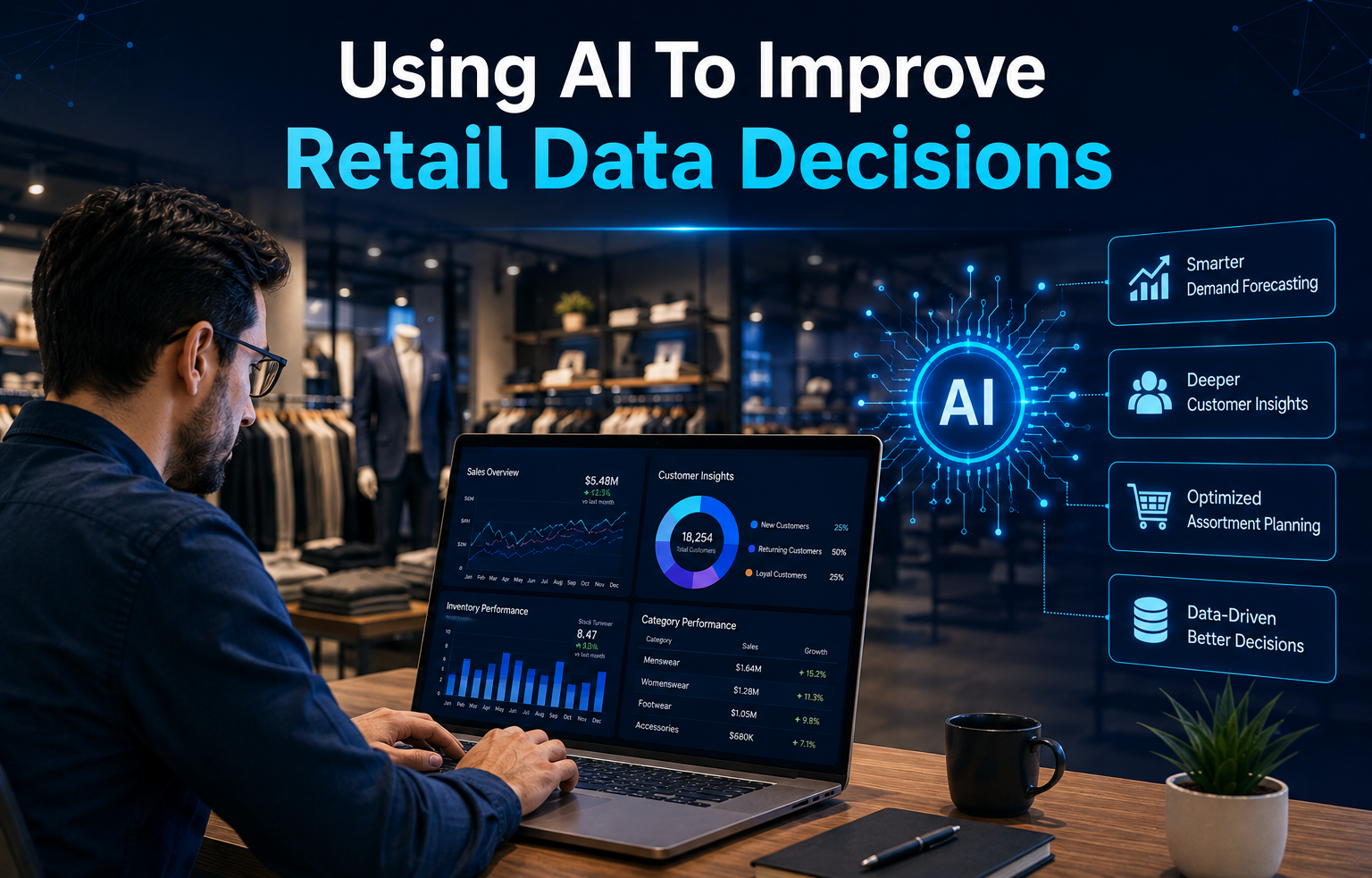
Retailers collect information from transactions, inventory systems, websites, applications, loyalty programs, service interactions, suppliers, and marketing campaigns. Yet a large volume of information does not automatically create better choices. Fragmented records, delayed reports, inconsistent measurements, and excessive signals can slow managers down. Artificial intelligence can connect these sources, identify meaningful patterns, predict likely outcomes, and surface relevant insights at the right moment. Retail Data Decisions become stronger when technology supports human judgment with timely evidence instead of replacing strategic thinking.
Retail Data Decisions
How Does AI Improve Decision Quality?
AI can support decisions through prediction, classification, recommendation, anomaly detection, optimization, and natural-language analysis. Machine learning can estimate demand or customer response, while anomaly detection can highlight unusual changes in sales or inventory. Recommendation engines can suggest actions based on observed patterns, and language models can summarize complex reports. These capabilities work best when organizations define the decision first and then select the appropriate analytical method. Technology should solve a business problem rather than become an objective by itself.
Creating A Reliable Data Foundation
Strong analytical decisions depend on dependable information. Retailers may need to connect point-of-sale records, ecommerce activity, product catalogs, inventory positions, pricing histories, promotion calendars, supplier data, and customer interactions. Consistent identifiers make it easier to relate information across systems. Data quality processes should address missing values, duplicates, inconsistent formats, outdated records, and delayed updates.
Improving Inventory Decisions
Inventory choices involve a balance between availability and capital efficiency. AI can examine forecasts, lead times, current quantities, inbound shipments, sales velocity, and channel priorities to identify potential shortages or surplus. Retailers can then review replenishment, transfer, assortment, or promotional options. A useful model should consider commercial consequences rather than optimizing stock levels in isolation.
Using AI For Demand Planning
Demand planning becomes difficult when historical patterns no longer reflect current market conditions. AI can combine previous sales with recent orders, browsing activity, promotions, seasonality, local events, pricing changes, and other suitable signals. Forecasting models can estimate demand at product, location, channel, or time-period levels. Planners can use these projections to guide replenishment and allocation.
AI Pricing Decisions
Pricing affects demand, margin, customer perception, and competitive position. AI can evaluate historical price responses, category behavior, inventory levels, promotional activity, and market signals to estimate reactions to alternative prices. Predictive analysis can support scenario comparisons before a change reaches the market. Retailers should consider both volume and contribution because higher sales do not necessarily produce stronger financial results. Transparent testing helps teams understand whether a pricing recommendation creates incremental value.

Assortment And Merchandising Decisions
Choosing the right product mix requires an understanding of customer demand, location differences, seasonality, price sensitivity, and category relationships. AI can identify products that frequently appear together, detect changes in category interest, and estimate demand under different assortment conditions. Merchandising teams can use these findings to refine product ranges, placement strategies, and launch plans.
Real Time Decision Intelligence
Real-time or near-real-time analytics can monitor orders, inventory movements, website activity, service contacts, and other operational events. AI can detect unusual changes and alert teams to conditions that may require investigation. The objective should not be to notify managers about every fluctuation. Intelligent prioritization can separate exceptions from temporary noise, helping teams focus attention where timely intervention could make a measurable difference.

Detecting Anomalies And Emerging Problems
Unexpected changes can indicate errors, fraud, demand shifts, system problems, or genuine market events. AI anomaly detection can examine historical patterns and current activity to identify unusual sales, returns, inventory movements, transactions, or service volumes. Alerts become more useful when the system provides context about size and potential impact. Human investigation remains necessary because an unusual event is not automatically a problem. Context determines whether intervention is appropriate.
Supply Chain & Operational Decisions
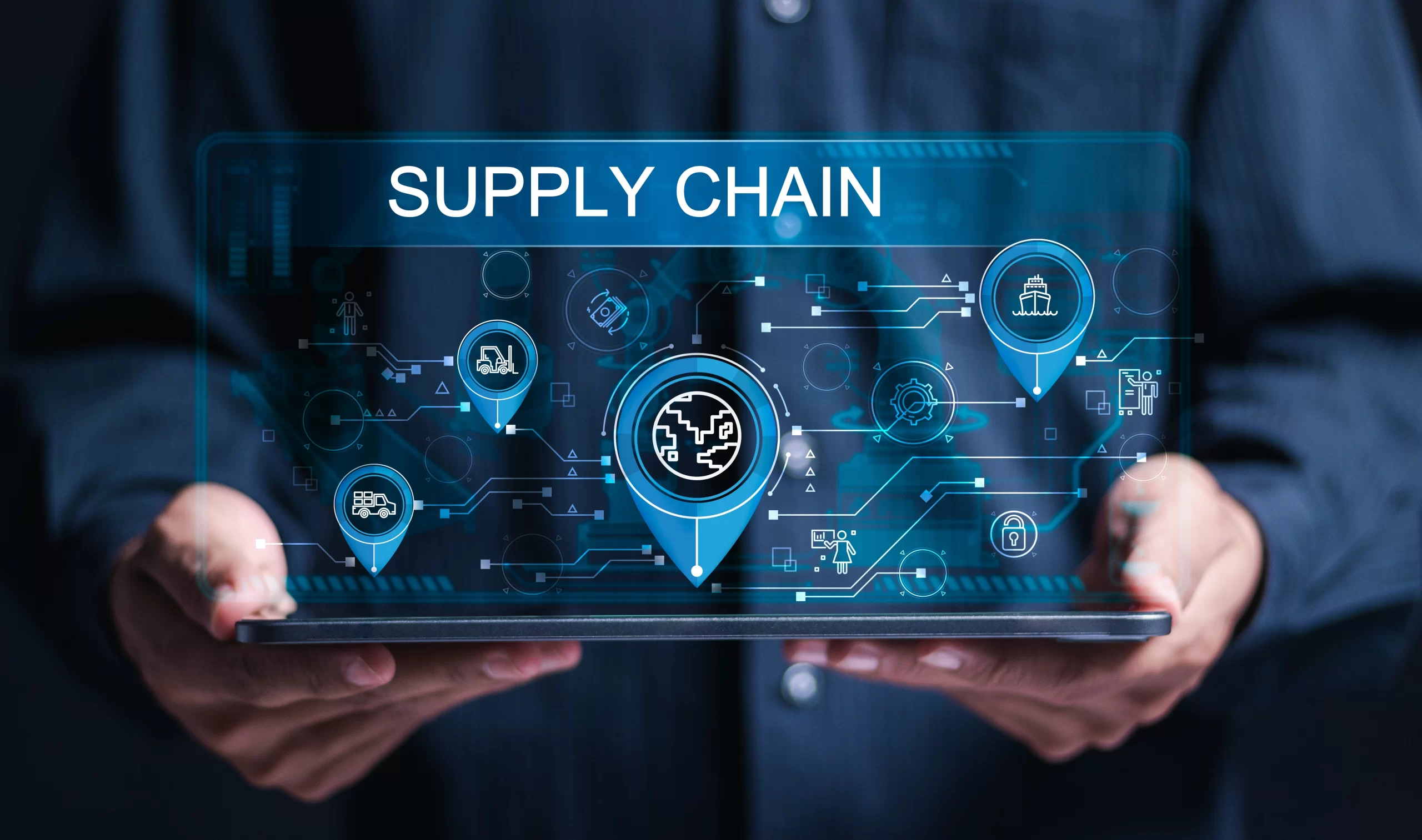
Data-driven choices extend beyond marketing and merchandising. AI can help retailers evaluate supplier performance, transportation risks, warehouse capacity, fulfillment patterns, and delivery expectations. Predictive models can estimate potential delays or identify unusual operational behavior. Managers can then consider alternative sourcing, inventory placement, routing, or service responses. Connecting operational intelligence with commercial priorities helps retailers understand how a supply constraint may affect customer demand, revenue, and profitability.
AI For Financial & Profitability Decisions
Retail performance should be evaluated through financial impact rather than revenue alone. AI can connect Retail Data Decisions sales patterns with product margins, promotional costs, fulfillment expenses, returns, acquisition spending, and inventory carrying costs. This broader view can help managers identify activities that generate strong contribution and distinguish them from growth that consumes excessive resources. Profitability analysis becomes more useful when teams examine customer value, channel economics, and long-term effects alongside immediate results.

Scenario Analysis And Planning
AI can support scenario analysis by estimating possible outcomes under different prices, inventory levels, promotion plans, staffing assumptions, or demand conditions. A scenario model can reveal trade-offs that are difficult to see in a standard report. Teams can compare expected revenue, margin, service levels, inventory exposure, and operating costs before selecting a path. This encourages deliberate planning rather than choices based solely on intuition.

Conclusion
AI can help retailers turn large volumes of information into clearer, faster, and more actionable business intelligence. Retail Data Decisions become stronger when organizations connect reliable sources, predictive models, real-time signals, financial measures, and human expertise within one practical framework. It comes from applying the right capability to the right decision and measuring the resulting improvement. Retailers that build data foundations and responsible AI practices can respond more confidently to changing demand, customer expectations, and competitive conditions.